
7 Signs You’re Burnt Out (Not Just Tired)
You’ve slept. You’ve taken time off. Maybe you’ve even tried to reset with a quiet weekend or a slower schedule. And yet, you still feel exhausted. Not just physically tired, but mentally drained, foggy, and disconnected in a way that doesn’t seem to go away.
That’s usually when people start asking themselves, “What’s wrong with me?”
In many cases, the answer isn’t laziness, lack of discipline, or even just stress. It’s burnout.
Burnout is a real and recognized condition. The World Health Organization defines it as a syndrome resulting from chronic stress that hasn’t been successfully managed. While it’s often associated with work, it shows up just as easily in parenting, relationships, and everyday responsibilities.
And it’s more common than most people think. According to Gallup, 76% of employees experience burnout at least sometimes, with many reporting it as something they feel regularly.
The challenge is that burnout doesn’t always look dramatic. It doesn’t always mean total collapse or complete exhaustion. More often, it shows up quietly. You feel irritable. Disconnected. Unmotivated. Or just “off” in a way that’s hard to explain. Because of that, many people miss it entirely and assume they just need more rest or a better routine.
But burnout doesn’t resolve with rest alone. It requires a different kind of awareness and a different kind of response.
If you’ve been feeling stuck, drained, or unlike yourself, this guide will help you understand what’s actually going on beneath the surface and what you can do to start moving forward.
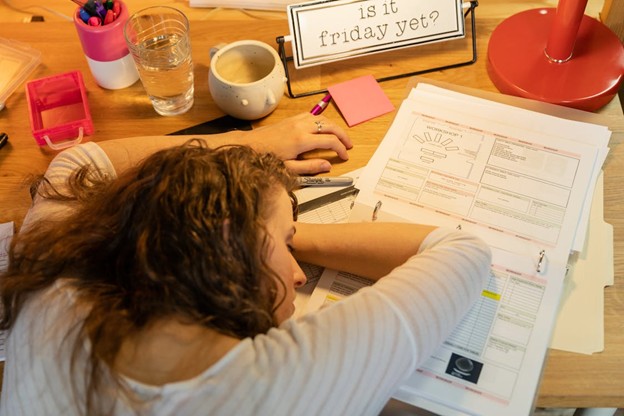
What Burnout Actually Is (And What It’s Not)
One of the biggest reasons burnout goes unrecognized is because it’s often confused with stress. On the surface, they can feel similar, but the experience is very different.
Stress usually feels like too much. Too many demands, too many responsibilities, too much pressure pulling you in different directions. Even though it’s overwhelming, there’s still a sense of urgency and engagement. You’re tired, but you’re still pushing.
Burnout feels different. Instead of too much, it feels like there’s nothing left.
According to the American Psychological Association, burnout is associated with emotional exhaustion, detachment, and a reduced sense of accomplishment. That’s why it often feels like you’re running on empty, no matter how much you try to rest or reset.
This distinction matters because it changes how you respond.
When you’re stressed, you might still feel motivated to fix things. When you’re burnt out, that motivation starts to disappear. Tasks that used to feel manageable begin to feel heavy. Things you once cared about don’t carry the same weight. And over time, people often start to turn that experience inward, assuming something is wrong with them.
They tell themselves they should be handling things better. That they just need to push a little harder. That everyone else seems to be managing.
But burnout isn’t a personal failure. It’s a signal.
It’s your system telling you that something, whether it’s workload, emotional demand, or lack of recovery, is no longer sustainable. Recognizing that signal is the first step, which is why developing awareness and openness, as explored in why resilience begins with openness, plays such an important role in recovery.
A simple way to think about it is this: stress is about being over-engaged, while burnout is about becoming disengaged. Both are difficult, but burnout tends to show up after stress has been left unaddressed for too long.
This is also why trying to “push through” often backfires. Burnout doesn’t respond well to more pressure or productivity. It responds to changes that restore capacity and create space for recovery.
As psychologist Christina Maslach, one of the leading researchers on burnout, explains, “Burnout is not a problem of people. It’s a problem of the social environment in which people work.” In other words, it’s not just about working harder. It’s about recognizing what needs to change.

The 7 Signs
Burnout rarely shows up all at once. More often, it builds gradually. Here are some of the most common signs to look for.
1. You Feel Tired… But Sleep Doesn’t Help
One of the clearest signs of burnout is that rest doesn’t feel restorative. You might be getting enough sleep, or even more than usual, but you still wake up feeling exhausted. The fatigue follows you throughout the day, and by the evening, you’re just as drained as when you started.
That’s because burnout isn’t only physical. It’s mental and emotional. And those types of exhaustion aren’t resolved by sleep alone. When your mind and nervous system are overloaded, rest needs to go beyond just shutting down for the night.
2. Everything Feels Like Effort
Another common sign is that even simple tasks start to feel unusually difficult. Things like replying to messages, making decisions, or getting through your daily responsibilities can feel heavier than they used to.
It’s not that the tasks themselves have changed. It’s what your capacity has.
When burnout sets in, your brain shifts into conservation mode. It tries to protect what little energy is left, which makes everything feel like it requires more effort. This is often the point where people begin to worry that they’re becoming unmotivated or unproductive, when in reality, they’re simply depleted.
This kind of mental fatigue is especially common in high-pressure environments, which is why it often shows up in both professionals and students, as discussed in why students need fast, realistic tools during finals.

3. You’re More Irritable Than Usual
Sometimes burnout doesn’t show up as exhaustion first.
It shows up as short patience.
You might notice:
- small things bothering you more than they used to
- snapping in conversations that normally wouldn’t feel tense
- feeling overwhelmed by interruptions or simple requests
It can feel confusing, especially if you’re usually calm or easygoing. But this isn’t about personality; it’s about capacity.
When your mental and emotional energy is already stretched thin, there’s less room to absorb anything extra. So even small stressors feel bigger than they are.
What this often sounds like internally:
“Why is everything getting on my nerves lately?”
What’s really happening is your system is overloaded, and instead of shutting down completely, it’s reacting faster.
Over time, this can start to impact relationships. You might pull back, avoid conversations, or feel frustrated with yourself after reacting in ways that don’t feel like you.
That’s usually a sign that something deeper needs attention, not just more self-control.
4. You Feel Numb or Disconnected
Burnout doesn’t always feel intense. Sometimes it feels… quiet. You’re still going through your day. You’re still doing what needs to get done. But something feels off.
Not necessarily sad.
Not necessarily overwhelmed.
Just… disconnected.
Things that used to feel enjoyable or meaningful don’t land the same way. Conversations feel flatter. Motivation fades. You may even start to feel like you’re just going through the motions.
A simple way people describe this:
“I don’t feel like myself lately.”
This is often your brain trying to protect you. When stress goes on for too long, it can start to dial things down emotionally. Instead of feeling everything too strongly, it pulls back.
That can reduce overwhelm, but it also dulls:
- excitement
- interest
- connection
This is where burnout gets mistaken for depression. And while they can overlap, burnout often has a clear connection to ongoing pressure and depletion.
Rebuilding that sense of connection usually requires more than just rest. It often involves learning how to reconnect with your emotional experience in a manageable way, which is where approaches like what is DBT and how does it help with stress, relationships, and emotional overwhelm can be helpful.

5. You Can’t Switch Off
Even when you stop, your mind doesn’t.
You sit down to relax, but instead of feeling calm, your thoughts keep running.
- replaying conversations
- thinking through everything you need to do
- jumping from one concern to the next
It’s like your body is trying to rest… But your brain didn’t get the message.
This constant mental activity is one of the reasons burnout feels so hard to recover from. It’s not just about how much you’re doin; it’s about how much you’re carrying mentally.
What this can look like in real life:
- You open your phone to relax… and immediately feel overwhelmed
- You try to rest, but end up thinking about everything you haven’t done
- You go to bed tired, but your mind stays active
Why this happens
When your system is under prolonged stress, it stays in a kind of “alert mode.” Even during downtime, your brain is scanning, processing, and trying to stay on top of everything. That’s why typical advice like “just relax” often doesn’t work.
Because the issue isn’t effort; it’s regulation.
What actually helps
Instead of trying to force your mind to stop, focus on gently interrupting the pattern:
- step away from constant input (phones, notifications, noise)
- bring your attention to something physical (breathing, movement)
- give your brain a clear signal that it’s safe to slow down
These kinds of practical, in-the-moment tools are often more effective than passive rest alone, which is why approaches outlined in beyond traditional talk therapy can be helpful when burnout feels persistent.
6. You Start Avoiding Things You Normally Handle
At first, it’s subtle.
You put something off, then another thing, then suddenly, even small tasks feel easier to avoid than to start. This is where burnout often gets mislabeled as procrastination.
But it’s not about laziness. It’s about overwhelm.
What this can look like:
- putting off emails or messages you’d normally respond to quickly
- delaying decisions, even simple ones
- avoiding tasks you know aren’t that difficult
- feeling a sense of resistance before starting anything
What’s actually happening
Your brain is trying to protect you. When your capacity is already low, it starts filtering out anything that feels like “more effort.” Even if the task is objectively small, your system reads it as too much.
So instead of pushing through, it avoids it. The problem is, avoidance creates a backlog. And that backlog creates more pressure. Which feeds the burnout.
A small shift that helps
Instead of asking:
“How do I get everything done?”
Try:
“What’s the smallest version of this I can start?”
- reply to one message
- open the document
- take one step
Momentum matters more than intensity.
7. You Feel Like You’re Not Yourself
This is often the moment people really notice something is off.
Not because of a specific symptom, but because of a general feeling:
“I don’t feel like me anymore.”
You might notice:
- lower confidence
- less engagement in conversations
- less interest in things you used to enjoy
- feeling disconnected from your usual personality
It’s not just about being tired. It’s about feeling like you’ve drifted away from who you normally are.
Why this happens
Burnout slowly pulls you away from your baseline.
When your energy is consistently depleted, your ability to:
- show up fully
- connect with others
- think clearly
starts to fade.
Over time, that can create a kind of identity gap between the following:
- who you are at your best
- and how you’re currently functioning
Important reminder
This isn’t permanent. It’s a response to sustained pressure, not a reflection of who you are. And recognizing that is often the first step toward feeling like yourself again.

Why Burnout Happens (Even If You’re “Doing Everything Right”)
One of the most frustrating parts of burnout is this:
It can happen even when you’re doing everything “right.”
You’re responsible.
You show up.
You handle your commitments.
And still… you feel exhausted.
Burnout isn’t caused by one thing
It’s usually the result of multiple pressures stacking over time.
Things like:
- high expectations (from work, family, or yourself)
- constant output without enough recovery
- emotional load from relationships or responsibilities
- lack of boundaries or downtime
- always being “on” or available
Individually, these might feel manageable. But together, they create a level of demand your system can’t sustain long-term.
A simple way to think about it
Burnout happens when:
your output consistently exceeds your recovery
Not just physically, but mentally and emotionally. And in today’s environment, that’s incredibly common.
Many people are:
- always connected
- constantly responding
- rarely fully off
Which means even rest doesn’t feel like real rest.
Why pushing through makes it worse
When burnout starts to build, the natural instinct is to push harder.
Be more productive.
Be more disciplined.
Get back on track.
But that approach often backfires, because burnout isn’t solved by effort. It’s solved by changing the conditions that caused it.
This is where learning to recognize limits, regulate stress, and build sustainable patterns becomes essential, something that’s explored further in why resilience begins with openness.
Quick check-in
If you’re feeling burnt out, ask yourself:
- Where am I overextended?
- What hasn’t had space to recover?
- What have I been pushing through for too long?
These questions don’t fix everything, but they point you in the right direction.

What Actually Helps (That Isn’t Just “Take a Break”)
By the time people realize they’re burnt out, they’ve usually already tried the obvious fixes.
Sleeping more.
Taking time off.
Trying to “reset.”
And sometimes that helps… briefly. But burnout tends to come back. That’s because burnout isn’t just about needing rest. It’s about needing a different kind of recovery.
1. Reduce Input (Not Just Add Rest)
Most people focus on adding recovery, but they don’t reduce what’s draining them. So even when you rest, your system is still overloaded.
Think about how much input you’re dealing with daily:
- notifications
- emails
- conversations
- decisions
- background noise
Your brain never really gets a break.
A simple shift
Instead of asking:
“How do I relax more?”
Ask:
“What can I reduce?”
Start small:
- turn off non-essential notifications
- create short windows of quiet
- step away from constant input
Less input = more capacity.
2. Create Small Wins (Not Big Resets)
When you’re burnt out, big goals feel overwhelming. Even thinking about “getting back on track” can feel like too much. That’s why small wins matter.
What this looks like
- completing one task instead of ten
- responding to one message instead of clearing your inbox
- focusing on progress instead of perfection
These small actions rebuild:
- momentum
- confidence
- a sense of control
And that’s often what burnout has taken away.
3. Regulate Your Nervous System
This is the piece most people overlook. Burnout isn’t just mental; it’s physiological. Your system has been in a prolonged state of stress, which means it needs help shifting out of that state.
What actually works
Not “trying to relax.”
But giving your body signals that it’s safe to slow down:
- slow, steady breathing
- stepping outside
- reducing stimulation
- creating quiet, low-pressure moments
These are simple but powerful.
And they’re often more effective than passive rest.
4. Set Boundaries That Actually Hold
Burnout often builds when there are no clear limits.
- You say yes when you’re already stretched.
- You stay available when you need space.
- You keep going when your system needs a break.
A helpful reframe
Boundaries aren’t about saying no to others. They’re about saying yes to sustainability.
Start with:
- protecting small blocks of time
- limiting unnecessary commitments
- being honest about your capacity
This doesn’t have to be extreme. It just has to be consistent.

When to Get Support
There’s a point where burnout stops being something you can manage on your own. Not because you’re doing anything wrong, but because your system has been under strain for too long.
You might need support if:
- the exhaustion isn’t improving, even with rest
- you feel consistently disconnected or unmotivated
- your stress is affecting your relationships or daily life
- you’re starting to feel stuck, overwhelmed, or unsure how to reset
What often holds people back
A lot of people wait longer than they need to.
They think:
- “I should be able to handle this”
- “It’s not bad enough yet”
- “I just need to push through a bit longer”
But burnout doesn’t usually resolve by pushing through. It resolves when you start addressing what’s underneath it.
How Therapy Can Help with Burnout
Support doesn’t mean something is wrong. It means you’re ready to understand what’s happening and change it.
What therapy actually does
It helps you:
- identify what’s contributing to burnout (not just symptoms, but root causes)
- understand your patterns around stress, pressure, and responsibility
- rebuild emotional and mental capacity
- develop tools that actually work in your day-to-day life
Instead of guessing your way out of burnout, you get a clearer path forward.
A different kind of support
What many people find helpful is having space to:
- slow things down
- think clearly without pressure
- talk through what’s been building over time
And most importantly: To feel understood without needing to explain everything perfectly.
If you’re feeling stuck, overwhelmed, or like you’ve been running on empty for too long, working with a professional through individual counselling can help you reset, recover, and start feeling like yourself again.

Conclusion: This Isn’t Just “Being Tired”
If you’ve recognized yourself in any of these signs, that matters.
Burnout has a way of creeping in quietly. It doesn’t always show up all at once. It builds over time, often while you’re still showing up, still pushing through, still doing what needs to be done.
That’s why it can feel confusing.
And at some point, you start to wonder if this is just how things are now. It’s not. Burnout isn’t something you’re stuck with. It’s something your system is responding to. And once you understand what’s driving it, you can start to shift it. That doesn’t mean making huge changes overnight.
More often, it’s about small, consistent adjustments:
- creating space where there wasn’t any
- reducing pressure instead of adding more
- learning how to respond to stress differently
And over time, those shifts add up.
Ready to Start Feeling Like Yourself Again?
You don’t have to keep running on empty. If burnout has been building for a while, having the right support can make a big difference. Not just in how you feel, but in how you move through your day, your work, and your relationships.
Working with a professional through individual counselling can help you:
- understand what’s contributing to burnout
- rebuild your mental and emotional capacity
- and develop tools that actually work in real life
There’s no pressure to have it all figured out before you reach out. You just need a place to start.
FAQs About Burnout
What’s the difference between burnout and stress?
Stress usually feels like too much, too many demands, too much pressure, too much to manage.
Burnout feels different. It’s what happens when that stress goes on for too long without enough recovery. Instead of feeling overwhelmed, you start to feel depleted, disconnected, and low on energy or motivation.
How long does burnout last?
Burnout doesn’t have a set timeline. For some people, it improves once they reduce stress and create space to recover. For others, especially if burnout has been building over time, it can take longer and may require more structured support.
The key is addressing it early rather than pushing through it.
Can burnout go away on its own?
Sometimes it can improve with rest and lifestyle changes.
But if the underlying causes stay the same, high pressure, lack of boundaries, constant mental load, it often returns. That’s why focusing on long-term changes, not just short-term relief, is important.
What are the first signs of burnout?
Early signs often include:
- feeling tired even after rest
- increased irritability
- difficulty concentrating
- feeling less motivated or engaged
Catching these signs early can help prevent burnout from becoming more severe.
Do I need therapy for burnout?
Not everyone needs therapy, but it can be very helpful, especially if burnout feels persistent, overwhelming, or hard to manage on your own.
Working with a professional through individual counselling can help you understand what’s driving burnout and give you practical tools to recover more effectively.